Nov 16, 2010
ΠΡΩΤΑ ΣΥΜΠΕΡΑΣΜΑΤΑ / ΟΔΗΓΙΕΣ ΣΕ ΣΧΕΣΗ ΜΕ ΤΙΣ ΑΝΑΡΤΗΣΕΙΣ
2. Η επιλογή των συγκεκριμένων σημείων επέμβασης- οικοπέδων οφείλει να αιτιολογείται με κριτήρια:
• Θέσης και σχέσης με τον αστικό ιστό, ( τους άξονες, αλλά ακόμη και τα Μ.Μ.Μ.)
• Κατάστασης – αξιολόγησης : α) αστικά κενά ή β) κτήρια εγκαταλελειμμένα ή γ) κτήρια χωρίς αρχιτεκτονική άξια που θα μπορούσαν να απαλλοτριωθούν. Ως προς το τελευταίο ένα ρεαλιστικό σενάριο θα απαιτούσε καλή επιχειρηματολογία για την αναγκαιότητα της επιλογής και ένα σενάριο ‘ανταλλαγής’ σε δόμηση, όπως έχουν αρχίσει ήδη να διατυπώνονται στον Τύπο.
3. Η σποραδικότητα των οικοπέδων
• Προϋποθέτει ένα δυνατό σενάριο – πρόταση σχετικά με τις χρήσεις.
Π.χ. α) τα οικόπεδα περιλαμβάνουν κτίσματα με την ιδία λειτουργία ( π.χ. κατοικία – εμπόριο) β) κάποια επιλέγονται για τον σχεδιασμό κτισμάτων υπέρ- τοπικής δημοσίας λειτουργίας ( π.χ. βιβλιοθήκη) γ) η πρόταση ολοκληρώνεται με τον σχεδιασμό δημοσίου υπαίθριου χώρου σε συγκεκριμένα σημεία - άξονες
S.O.S
• Στις πινακίδες που έχετε ‘κρεμάσει’: Πρέπει να σημειωθούν (στις περισσότερες φαίνονται) και αριθμηθούν τα οικόπεδα - σημεία επέμβασης και να αναγραφούν οι προτεινόμενες χρήσεις.
Αυτό σημαίνει ότι περνάμε στα σχεδιαστήρια: κατόψεις – τομές, μακέτες ,που θα φωτογραφηθούν, ή scan για να συντεθούν στην νέα πινακίδα για την παρουσίαση στο εργαστήριο με την ομάδα της Λοζάνης.
Αριάδνη Βοζάνη
Nov 15, 2010
Nov 11, 2010
Nov 10, 2010
Διδακτική Ομάδα | Καταχώρηση Εργασιών ενόψει Workshop
- Τίτλο της Εργασίας, με τη μορφή "Θεματολογία Παρέμβασης - Περιοχή Παρέμβασης" (π.χ. "Θεατρικός Περίπατος - Μεταξουργείο") - ή και πιο δημιουργικούς τίτλους αρκεί να περιλαμβάνουν τα στοιχεία αυτά.
- 1 Αντιπροσωπευτική Εικόνα της Εργασίας.
Ο στόχος είναι μέχρι τη Δευτέρα να υπάρχει μια εποπτική εικόνα των εργασιών, ώστε να οργανωθούν οι θεματικές ενότητες και να βρεθεί κοινός τόπος με τους Ελβετούς συναδέλφους.
Υπενθυμίζω ότι σύντομα θα ανέβει και tutorial για ανέβασμα ολόκληρων παρουσιάσεων μέσω issuu, αλλά προς το παρόν επείγει η συλλογή των παραπάνω συνοπτικών στοιχείων.
Nov 9, 2010
Everyday Urbanism | Ted prize winner JR, and Favella painters
JR, is a French photographer, who was awarded the TED prize 2011, some days ago. He begun taking "caricature" pictures of thugs in the french suburbs, which printed them in huge sizes and posted them on walls. At first city officials destroyed the prints, but after some time they decided to "dress" the Paris City Hall with his pictures. This was the 28mm project.
Later he did the same in the Middle East, photographing Israelis and Palestinians and posting them on their separating wall. This was Face 2 face project.
He continued in Africa photographing women and posting them all over their cities, in trains, or in vinyl sheets, placing them over their houses for rainproofing. Tris was Women are heroes project.
"JR owns the biggest art gallery in the world."
http://jr-art.net/
_____________________________________________________________________________
In 2006, the Dutch artist duo Haas&Hahn started developing the idea of creating community-driven art interventions in Brazil. Their efforts yielded two murals which were painted in Vila Cruzeiro, Rio's most notorious slum, in collaboration with local youth. The artworks received worldwide coverage and have become points of pride in the community and throughout Rio. The painting is funded from donations, and the people of each area participate in the process, after an education program on safety measures.
Source_ http://www.favelapainting.com/home
Manguinhos Complex
Rio de Janeiro, Brazil
Jorge Mario Jáuregui / Metrópolis Porjectos Urbanos
Overview
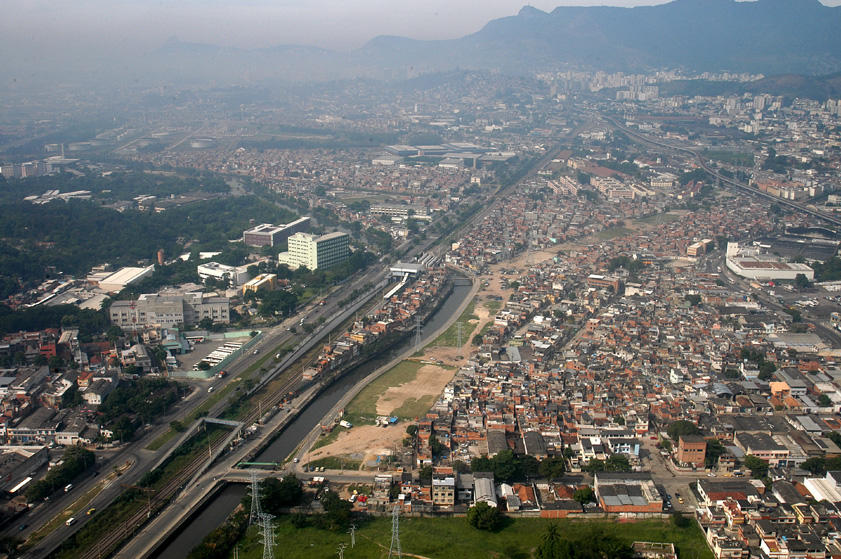
Rio de Janeiro’s Manguinhos district, a large urban area in the north of the city, is the site of around ten favelas, informal settlements in which some twenty-eight thousand people live in close proximity to industrial plants. The inhabitants suffer from a very high crime rate and a lack of public space and community facilities. Jorge Mario Jáuregui is a pioneer and advocate in the field of slum upgrading. In 1993 he started working with Rio’s Favela-Bairro program, which has reached out to hundreds of thousands of favela dwellers through small interventions. In 2005 the city commissioned Metrópolis Projetos Urbanos, Jáuregui’s firm, to undertake an urban-planning study of Manguinhos. The architects conducted interviews and hearings with the district’s inhabitants and representatives to understand both their immediate concerns and their long-term requirements, developing a detailed analysis of the area.
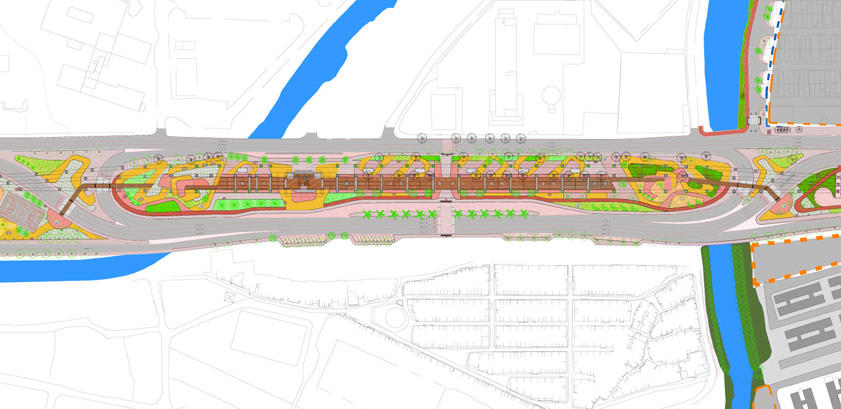
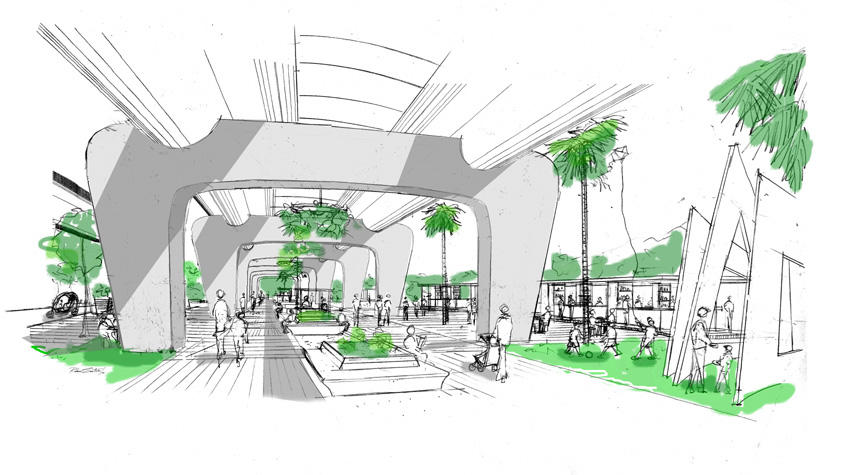
The result is a plan for the elevation of a major rail line adjacent to the district’s main road and the creation of a long public park in the space beneath. Raising the rail line will remove a physical and psychological barrier between Manguinhos and Rio at large and create a new public amenity equipped with scenic walkways, bicycle paths, and athletic fields. The park will be a central meeting place, thus enabling social connections. The architects have limited the number of people who will need to be relocated during construction and have incorporated replacement housing into the design. The project represents a new approach to slum upgrading: the entire community enjoys new infrastructure, and existing social networks remain largely untouched.